By Ariel Warren, RDN, CDCES (Registered Dietitian Nutritionist, Certified Diabetes Care & Education Specialist, multi-time author, T1D for over 30 years, and founder of Above Diabetes, PLLC)
At Above Diabetes, my team and I focus on how your menstrual cycle causes insulin resistance in Type 1 Diabetes (T1D). Ultimately, we believe managing your blood sugar should not feel like a guessing game. By knowing how your hormones change the way your body uses insulin, you can stop fighting your body and start working with it. Furthermore, this article helps you manage these monthly hormone changes. Specifically, it gives you the right insulin pump settings and nourishing food swaps to keep your blood sugar steady and your energy high.
The Mid-Afternoon Blood Sugar Crash
First, let us set the scene. It is 3:00 PM on a Tuesday. However, your continuous glucose monitor is stuck at 240 mg/dL with an arrow pointing straight up. You are deeply tired. Consequently, if someone does not hand you salty chips and a chocolate bar right now, you might scream.
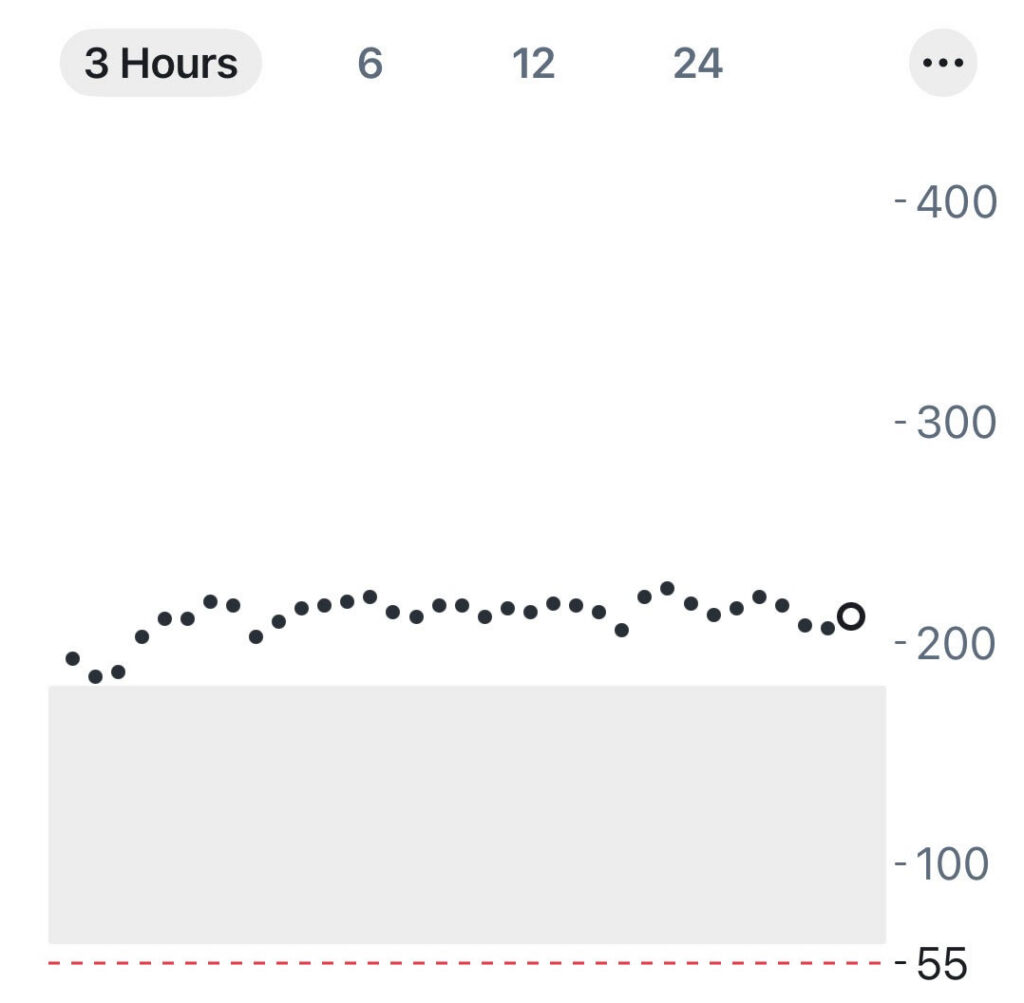
You did not forget to take your insulin. You didn’t even miscalculate your lunch dose. So, what is actually happening?
Welcome to the ups and downs of the female menstrual cycle. If you live with T1D, managing your period is not just about bleeding. Rather, it is about managing constantly changing blood sugar patterns.
How Hormones Change Your Needs
Every single week, your body gets a different mix of hormones. Because of this, these hormones directly control how easily your cells use insulin. They also control your energy levels and why you suddenly want to eat everything in the pantry.
Therefore, by understanding what your hormones are doing behind the scenes, you can change your insulin pump settings and your meals to work with your biology. Here is your guide to matching your insulin with your cycle and making better food choices.
Phase 1: The Follicular Phase (Day 1 to Day 14)
To begin with, this phase starts on the first day of your period and lasts until ovulation. During the first half of your cycle, estrogen is steadily building. Furthermore, when it comes to T1D, estrogen is your best friend. It acts as a powerful helper, allowing insulin to unlock your cells and let sugar in easily.
Because of this, your body’s resistance to insulin is very low. For instance, on the first three days of your cycle, you might notice a fast drop in resistance. As a result, this can lead to sudden low blood sugars if you do not lower your pump settings. Generally, your normal pump settings work great during this week.
Moreover, as estrogen goes up, your natural energy and focus go up, too. Your appetite is also steady and easy to satisfy. Since your body is very good at using sugar for energy right now, you usually do not have intense cravings.
Best Foods for the First Half of Your Cycle
During this time, your body is ready for fresh, light, and energizing food.
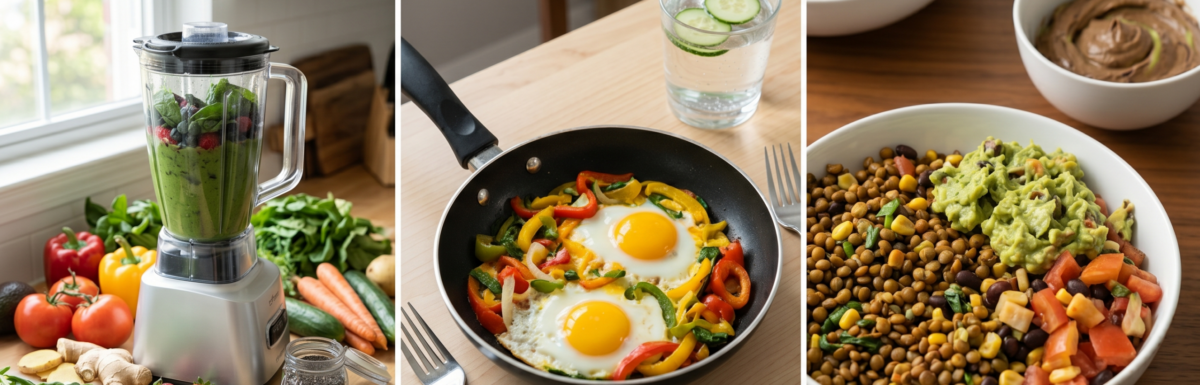
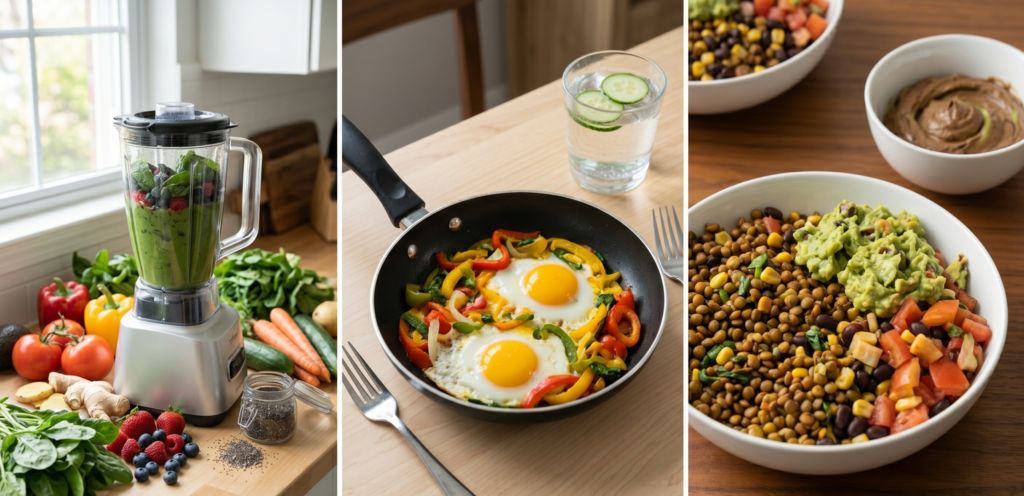
- The Power Smoothie: Blend a large handful of spinach with a dairy-free protein powder, a spoonful of chia seeds, and berries. It is light, refreshing, and your sensitive cells will soak up the nutrients.
- Crisp Protein Salads: Think bright and crunchy. Top a large bowl of mixed greens with grilled chicken, pumpkin seeds, and a lemon dressing.
- Dairy-Free Yogurt Parfaits: Scoop out a bowl of plain coconut or almond milk yogurt. Top it with hemp hearts, walnuts, and fresh strawberries for crunch and lasting energy.
- Veggie-Packed Egg Scramble: Cook pasture-raised eggs with bell peppers, onions, and spinach. Sprinkle nutritional yeast on top for a cheesy flavor that keeps the meal dairy-free.
Phase 2: Ovulation (Day 14 to Day 16)
Next up is ovulation, which is a quick, 48-hour window in the middle of your cycle. Suddenly, you get a high mix of estrogen along with a quick spike in testosterone. Consequently, this triggers a fast, short-lived stress response in your body as the egg is released, creating a sudden blood sugar spike.
For example, many women notice a sneaky, unexplained rise in insulin resistance right around ovulation. It does not last long, but it hits hard. Therefore, be ready to use a temporary basal rate increase or a setting change on your insulin pump for a day or two.
Fortunately, you usually won’t feel tired here. Instead, that testosterone spike gives you a burst of physical energy and drive.
Liver-Support Foods for Ovulation
Right now, your liver is working overtime to clear out that massive peak in estrogen. As a result, you should give your liver the exact tools it needs to sweep those hormones out of your body.
- The Cruciferous Crunch Bowl: Roast a large pan of broccoli and Brussels sprouts in olive oil until they are crispy. Toss them with some quinoa and a dairy-free tahini dressing. Specifically, the compounds in these vegetables are amazing at helping your liver detox.
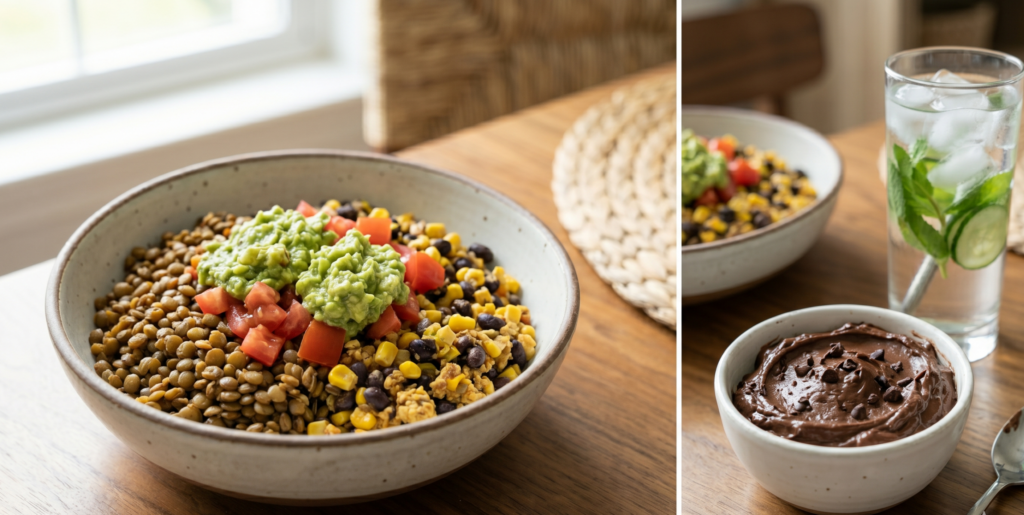
- Hydration Upgrades: Your body craves extra water during this quick stress spike. Therefore, keep a large cup of ice water infused with fresh mint and cucumber nearby all day.
Phase 3: The Luteal Phase (Day 17 to Day 28)
Finally, welcome to the two weeks leading up to your period. Progesterone is the star hormone here. Its main job is to prepare the body for a potential pregnancy, and it does this by changing your metabolism. Specifically, progesterone actively tries to keep sugar trapped in your bloodstream to feed a potential baby.
As a result, your body strongly resists insulin. Your normal insulin doses will suddenly feel like they are doing nothing at all. To manage your blood sugars during this phase, you usually need a special “luteal profile” on your pump. Consequently, this often means raising your background (basal) insulin by 10% to 20% and taking more insulin for your meals.
Dealing With Pre-Period Fatigue
In addition to stubborn high blood sugars, prepare to feel very tired. Progesterone has a calming effect on the brain. Thus, it makes you feel heavy and sleepy, while also causing your body to hold onto water.
Meanwhile, this brings us to the hardest part of T1D. Progesterone increases your resting calorie burn, meaning your body burns up to 300 more calories a day just to exist. Because of this, your brain desperately craves heavy carbs and fats to fuel this higher burn rate. Ultimately, you want heavy comfort food right when your insulin is working the worst.
Why Maybe Try Dairy-Free
But why do we rely on dairy-free options right now? When progesterone spikes, your brain screams for heavy comfort foods like cheese and cream. However, dairy comes with a catch.
Specifically, the proteins in dairy cause your body to need even more insulin. Furthermore, dairy can cause swelling in the body, and regular cow’s milk contains its own animal hormones. When you are already fighting your own hormone surge, adding extra outside hormones makes things worse. Therefore, cutting out dairy keeps your blood sugars much more stable. If you love dairy, maybe just reduce (or cut out) during your Luteal Phase). It takes about three days of omission before you really see a positive impact on your blood sugar.
Smart Comfort Foods for the Luteal Phase
Do not try to fight the cravings. Ultimately, willpower will not win against a hormone surge. If you restrict carbs now, you will only stress your body out and cause even more insulin resistance. Instead, the secret is giving your body the heavy, savory comfort it wants by using ingredients that stop the blood sugar spike.
- Lupin Flour Chocolate Chip Pancakes: When you want a huge stack of pancakes, use lupin flour. You get the fluffy comfort your brain wants. However, because lupin flour is packed with protein and fiber, your blood sugar stays flat.
- Savory Lentil Bowls: Craving a heavy burrito bowl? Swap the white rice for a base of taco-seasoned lentils. Top it with lots of guacamole. The lentils are very filling, but their extreme fiber content slows down digestion and stops a big spike.
- Dairy-Free Avocado Chocolate Mousse: When your body demands chocolate and heavy cream, skip the dairy. Instead, blend raw cocoa powder, a ripe avocado, a splash of almond milk, and a low-sugar sweetener. It is rich, satisfies the fat craving, and keeps your blood sugar stable.
Cycle Syncing Your Insulin Pump
In the end, you cannot willpower your way through a hormone surge. A stubborn high blood sugar before your period is not your fault. Rather, it is just biology doing exactly what it was meant to do.
By tracking your cycle, setting up phase-specific pump profiles, and satisfying your cravings with high-fiber foods, you can finally take the mystery out of the monthly rollercoaster.
Meet Your T1D Guide: Ariel Warren
I know exactly what it feels like to battle these hormone highs because I have lived with T1D for over thirty years. As a Registered Dietitian Nutritionist and a Certified Diabetes Care and Education Specialist, I started Above Diabetes to help women stop fighting their bodies.
Our team of specialized T1D dietitians at Above Diabetes, PLLC is fiercely passionate about empowering women in the diabetes community. Specifically, we focus on untangling the complex web of female hormones, advanced pump technology, and targeted nutrition for T1D. We absolutely love helping women understand their unique cycles and giving them the tools to reclaim their energy.
Are you ready to stop guessing and start fixing your blood sugars? Building a pump profile for your cycle takes precision. Click here to book a consultation with the clinical team at Above Diabetes to map your cycle to your insulin pump today.

Schedule with Ariel Warren – Take Control of Your Diabetes and Your Life
Schedule a personalized consultation with Ariel Warren, Registered Dietitian and Certified Diabetes Educator, living with Type 1 Diabetes since 1995. Ariel specializes in insulin pumps, advanced diabetes management, nutrition, exercise, and weight loss.
We work through secure video calls, making it convenient to get expert guidance from home. Many insurance plans cover our visits. Usually just a copay or completely free!
Ariel will help you create a customized plan to stabilize your blood sugar, optimize insulin use, improve your metabolism, and reach your health and weight goals with diabetes.
Take control of your diabetes and live your best life. Book your appointment with Ariel today!
References
1. Hormones and Insulin Use
These sources explain how estrogen helps insulin work better and how progesterone blocks it, specifically for T1D.
- Breakthrough T1D (formerly JDRF) Canada: “Menstruation and T1D.” This guide details how the luteal phase triggers resistance and increases the risk of high blood sugar.
- Beyond Type 1: “How Your Menstrual Cycle Can Affect Your Diabetes.” A full guide on the sudden changes seen during ovulation and your period.
- Journal of Clinical Endocrinology & Metabolism: Studies like “Effect of the Menstrual Cycle on Glucose and Insulin Metabolism in Women with Type 1 Diabetes” prove that blood sugars are higher before your period.
2. Calorie Burn and Cravings
These sources confirm that your body actually burns more energy late in your cycle, which explains the increased hunger.
- Frontiers in Physiology (2026): “Resting metabolic rate fluctuations across the menstrual cycle: a systematic review.” This study confirms a calorie burn increase of 30–120 extra calories a day during the luteal phase.
- American Journal of Clinical Nutrition: Research highlights the heat-producing effect of progesterone, which raises body temperature and increases energy needs.
3. How Dairy Affects Insulin
These sources support the choice to lean into dairy-free options when your body is resisting insulin.
- Levels Health: “What we know about dairy and blood sugar.” This explains why dairy causes insulin spikes 3 to 6 times higher than expected based on the carb count alone.
- The American Journal of Clinical Nutrition: “High-dairy-protein intake and insulin resistance” explores how the building blocks in dairy force the body to make extra insulin.
4. High-Fiber Food Swaps
These sources provide the data on the high-fiber foods recommended above.
- Blue Circle Foundation: “Lupin: Diabetes Nutrition Facts.” Confirms the very low Glycemic Index (GI 11–15) and high fiber content of lupin flour.
- Vively Health: “The healthiest flours for balanced blood sugar.” Compares lupin to regular wheat flour, showing the massive difference in blood sugar impact.
- Nutrients (Journal): Research on “The Effects of Legumes on Postprandial Glycemic Response” proves that lentils provide better blood sugar stability than refined grains.