

Welcome! If you’re adjusting to your child’s type 1 diabetes diagnosis, you’re in the right place. I’m SaRene Brooks—RDN, CDCES, and T1D mom—and I’m here to share practical, encouraging guidance for families living with diabetes.
“My child has what? Did you say type 1 diabetes?”In an instant, the world shifts. Then comes the flood of questions:
What exactly does this mean? How will we learn to manage this? What can my child eat?
Will they ever be able to do everything other kids do?
The list goes on and on.
If you are reading this, your life has likely been impacted by having a child with diabetes and you have felt these emotions. While no words can completely take away the shock of a diagnosis, let’s break this down together. My goal is simply to offer you a few strategies that might bring you a little more peace and a lot more hope.
A Note from Someone Who Has Been There
A diagnosis is rough, regardless of how much you know about diabetes. The realization that this is a 24/7 condition can feel overpowering.
I want you to know I understand this deeply. I have navigated a T1D diagnosis twice with my own children as my oldest and my youngest sons both live with diabetes.. Later, I became a Diabetes Care and Education Specialist (CDCES) to help others walk this path. The second time around wasn’t necessarily easier than the first, but I learned lessons along the way that helped my family settle into this new life. I want to share some of them with you.
1. Learn at Your Own Pace
Start by learning the basics of diabetes management but give yourself permission to take it one step at a time. It is impossible to remember everything you are told in the hospital or during that first week.

Write it down: Keep a notebook for questions that pop up later once the dust settles.
Lean on experts: Make time to see a Diabetes Care and Education Specialist (CDCES) on a routine basis for on-going help and support. As a mom, the education my family received was invaluable; as a professional, I now see how crucial that ongoing support is as your child grows and their needs change.
2. Give Yourself Grace Over Perfection
It takes time, practice, and patience to get a system down. Even when you are an “expert”, diabetes management will not be perfect—and that is okay. When you don’t hit the mark, make adjustments and move forward without self-blame. You may do everything right and still not get the outcome you anticipated. That is the nature of diabetes. Perfection can stall progression. Do your best then look at each day as a clean slate and a new opportunity to move forward.
Use the technology available to you, whether it is finger sticks and injections or Continuous Glucose Monitors (CGMs) and insulin pumps. There is no “right” way to manage T1D; the right way is whatever works best for your family. Use the tools you have, trust what works for you and your child, and take it one step at a time.
3. Empower Your Child
Invite your child to be an active participant in their diabetes care. As they grow, you can gradually introduce age- and development-appropriate responsibilities that match their learning level. Start small—like helping check supplies and restock low-treatment snacks—then build from there. Giving your child appropriate choices and responsibilities helps them feel capable and confident managing diabetes at the stage they’re in.

It is natural to want to protect them or carry the entire load yourself, but the goal is to help them safely experience empowerment. When children learn they can make decisions and take action, they build confidence and skills that last a lifetime.
4. Include Others in Your Immediate Family
If you have other children, make sure they are part of the learning process. It is easy for siblings to feel overshadowed by the intense focus a new T1D diagnosis requires, but they are watching and processing everything. Engage them in conversations and create a safe space for them to ask questions. Ensuring they feel included helps reduce their anxiety and strengthens the family bond.
Your immediate family is often your strongest support system. When they’re educated and involved, your child with T1D gains a trusted safety net—people they can count on for practical help during a low blood sugar (hypoglycemia) and for steady emotional support when diabetes feels heavy. That has absolutely been true in our home. My middle son (who doesn’t have diabetes) was the first to recognize a low blood sugar in one of his brothers, and now he’s always the one packing extra fast-acting carbs before they head out on an adventure together. He’s prepared, attentive, and proud to be part of their support team.
5. Build Your Village
You cannot—and should not—do this alone. Invite others to join your child’s diabetes team.
Teach extended family members or close friends how to assist with your child’s management. Let them practice and learn while you are present so they can eventually serve as respite caregivers. You will need an occasional break to recharge, even if it’s just for a short time. Building trust with others allows you to step back without anxiety.

Include others on your child’s diabetes team such as friends, friends’ parents, teachers, coaches, youth leaders and anyone your child associates with. Teach them the basics and allow them to ask questions. Those who care about you and your child want to help and support, they often just don’t know how.
6. Treat Diabetes as a “Tag-Along”
Think of diabetes as a passenger in your car. It will always be along for the ride, but it doesn’t have to drive.
Your child can still do the things they love. Whether it’s sports, sleepovers, or travel, diabetes does not have to stop them. Work with your diabetes educator to find management strategies that accommodate their interests and lifestyle, rather than restricting their life to fit the diagnosis. It will take work and planning, but it is possible. Life with diabetes can be amazing and include all the things that make your child happy.
Moving Forward
You are not alone in the complex feelings that come with a diagnosis. But with time, support, and the right tools, you will find your rhythm. It is entirely possible for you and your child to have a positive, healthy relationship with Type 1 Diabetes—and a life that is just as wonderful as you always imagined.
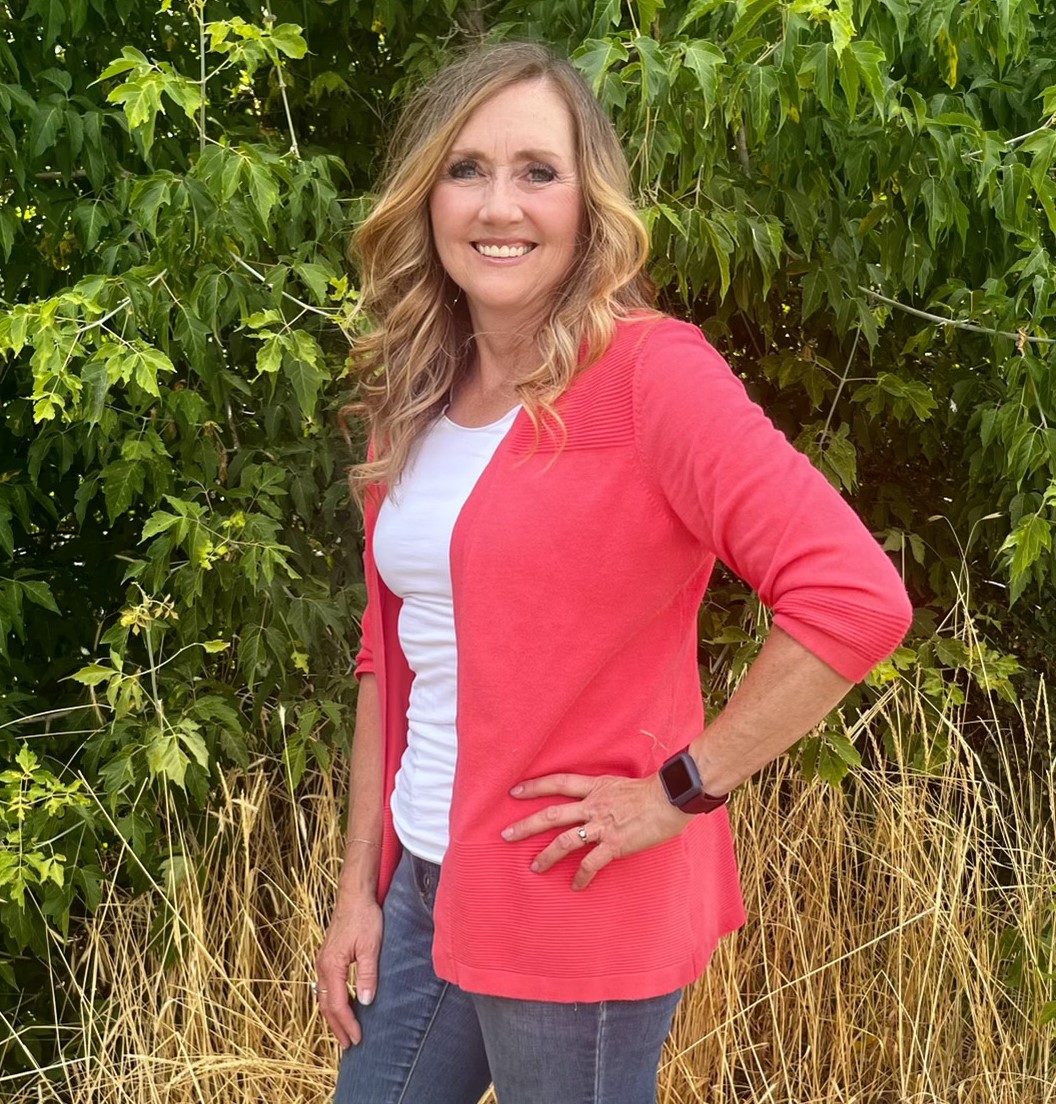
Schedule with SaRene, RDN, LD, CDCES
SaRene Brooks is a Registered Dietitian and Certified Diabetes Care & Education Specialist who works with families with Type 1 diabetes and adults with Type 2 diabetes. As a mom of two sons with Type 1 diabetes, she brings both professional expertise and real-life experience to every visit.
She specializes in advanced insulin pump management, nutrition and wellness with diabetes, exercise and weight support, and diabetes burnout. SaRene is a published writer and public speaker who is passionate about helping people build confidence, balance, and long-term success with diabetes.
Secure video visits • Most insurance accepted